Understanding 1.5f8-p1uzt Texture
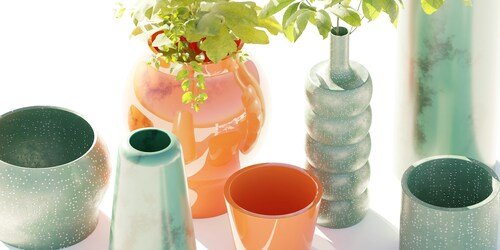
The 1.5f8-p1uzt texture is a notable example of specialized material composition often used in advanced applications. It is characterized by its unique visual appearance, which typically showcases a complex interplay of colors and patterns. This texture can convey a sense of depth and dimension, making it visually appealing in various contexts. Its intricate surface pattern is the result of specific manufacturing processes, which allow it to exhibit both aesthetic and functional properties.
One of the primary characteristics of the 1.5f8-p1uzt texture is its physical robustness. The texture is engineered to withstand significant wear and tear, making it suitable for use in environments that may challenge standard materials. Its durability is complemented by resistance to various environmental factors, including moisture, chemicals, and temperature fluctuations, thus broadening its applicability.
In addition to its visual and physical attributes, the 1.5f8-p1uzt texture is frequently found in engineering and architectural fields. It serves not only as a decorative feature but also plays a critical role in enhancing the performance of the products in which it is integrated. For instance, its frictional properties can be optimized for gripping surfaces, contributing to both safety and functionality in applications such as flooring and equipment.
The 1.5f8-p1uzt texture can also be observed in artistic endeavors, where its unique characteristics allow artists to explore creative dimensions in their work. By incorporating this texture into their projects, artists can convey layered meanings and engage viewers on multiple sensory levels. Overall, the 1.5f8-p1uzt texture’s blend of aesthetic appeal, durability, and versatility makes it an intriguing subject worthy of further exploration and application across various disciplines.
Applications of 1.5f8-p1uzt Texture
The 1.5f8-p1uzt texture has found significant traction across various industries, heralded for its unique aesthetic qualities and versatile applications. In the fashion industry, designers incorporate this texture into both garments and accessories, favoring its ability to convey a sense of luxury while maintaining functionality. The lightweight and breathable nature of fabrics treated with the 1.5f8-p1uzt texture enhances comfort, appeal, and movement, making it a popular choice for both casual wear and high-end fashion collections.
In the realm of interior design, the 1.5f8-p1uzt texture has emerged as a favored element in creating visually striking environments. Designers leverage this texture in wallpapers, upholstery, and decorative elements, effectively adding depth and dimension to spaces. The intricate patterns and tactile sensations created by the 1.5f8-p1uzt texture offer a contemporary yet timeless appeal, which resonates with clients seeking unique design solutions. For example, incorporating this texture in feature walls or statement furniture pieces can transform bland interiors into vibrant and engaging spaces.
Moreover, the graphic art sector has embraced 1.5f8-p1uzt texture in various forms of digital and print media. Artists find that the distinctive look of this texture can enhance visual compositions, adding layers of interest and complexity. By utilizing 1.5f8-p1uzt textures in digital illustrations or printed materials, creators can evoke emotions and create strong narratives through their work. This texture aligns with current market trends, where there is an increasing demand for designs that fuse tactile and visual elements harmoniously.
The growing trend towards sustainable materials also exemplifies the versatility of 1.5f8-p1uzt texture, as it can be produced from eco-friendly sources, appealing to a more environmentally-conscious clientele. Hence, the various applications of the 1.5f8-p1uzt texture demonstrate its importance and relevance across numerous fields, solidifying its status as a highly sought-after design element.
Creating with 1.5f8-p1uzt Texture
The 1.5f8-p1uzt texture has emerged as a popular medium among artists and designers for its unique visual appeal and versatility. To effectively work with this texture, it is crucial to gather the right tools and materials beforehand. Depending on the application method, artists may require items such as brushes, sponges, palette knives, or even airbrushes to create various effects. Additionally, selecting the appropriate base material—ranging from canvas to textured paper—can significantly influence the outcome of the project.
When applying the 1.5f8-p1uzt texture, artists have several techniques at their disposal. For instance, layering is a popular method that allows for depth and complexity within a piece. To achieve this, one can start with a base layer of paint or medium, and gradually build upon it with subsequent layers of the texture. This approach can create striking visual contrasts, highlighting the nuances of the 1.5f8-p1uzt texture. Alternatively, direct application using tools like palette knives can result in more pronounced, three-dimensional effects, making the texture the focal point of the artwork.
Despite its myriad advantages, the 1.5f8-p1uzt texture also poses challenges that creators must navigate. A common issue is maintaining consistency throughout the application process. To mitigate this, it is recommended to practice on smaller samples before executing a larger project. This allows artists to experiment with different techniques and find the method that yields the desired results. Additionally, the curing or drying time can vary significantly based on the materials used, necessitating patience and planning. By adopting best practices and being aware of potential hurdles, artists can harness the power of the 1.5f8-p1uzt texture to achieve impressive outcomes in their creative endeavors.
Future Trends and Innovations in 1.5f8-p1uzt Texture
As the landscape of materials science continuously evolves, the 1.5f8-p1uzt texture stands at the threshold of numerous innovative advancements. One significant trend is the integration of smart materials, which adapt to environmental stimuli. These materials can modify their properties, such as color and texture, based on light, temperature, or moisture levels, thus enhancing the functionality of the 1.5f8-p1uzt texture. Technological breakthroughs in nanotechnology may further contribute to this texture’s evolution, allowing for more intricate designs and improved performance characteristics.
In addition to smart materials, advances in 3D printing technologies are expected to revolutionize the application of the 1.5f8-p1uzt texture across various industries. With the ability to produce customized textures on-demand, professionals in sectors such as fashion, architecture, and industrial design will have greater creative freedom. This method not only streamlines production but also minimizes waste, reflecting a growing trend towards environmental responsibility within textile manufacturing.
Sustainability will play a crucial role in the future trajectory of 1.5f8-p1uzt texture. As consumers become more environmentally conscious, the demand for sustainable materials is rapidly increasing. Innovations such as bio-based textiles and recycling programs will likely reshape the production processes associated with this texture. Manufacturers will be challenged to develop methods that reduce the environmental impact while maintaining the iconic characteristics of the 1.5f8-p1uzt texture.
Moreover, collaborations between artists, designers, and scientists could foster new perspectives on the potential applications of the 1.5f8-p1uzt texture. By merging technical expertise with creative vision, pioneering projects may emerge that redefine aesthetic standards and functionality. In conclusion, the future of the 1.5f8-p1uzt texture is poised for transformative shifts, driven by technological advancements, sustainability commitments, and innovative collaborations.